| .github | ||
| cmd/imagorvideo | ||
| ffmpeg | ||
| testdata | ||
| .dockerignore | ||
| .gitignore | ||
| config.go | ||
| config_test.go | ||
| Dockerfile | ||
| go.mod | ||
| go.sum | ||
| LICENSE | ||
| Makefile | ||
| option.go | ||
| processor.go | ||
| processor_test.go | ||
| README.md | ||

imagorvideo



imagorvideo is a new initiative that brings video thumbnail capability through ffmpeg, built on the foundations of imagor - a fast, Docker-ready image processing server written in Go with libvips.
imagorvideo uses ffmpeg C bindings that extracts image thumbnail from video, by attempting to select the best frame. It then forwards to libvips to perform all the image cropping, resizing and filters provided by imagor.
imagorvideo integrates ffmpeg AVIOContext read and seek callbacks with imagor loader, storage and result storage, which supports HTTP(s), S3, Google Cloud Storage out of box. For non seek-able source such as HTTP and S3, imagor simulates seek using memory or temp file buffer.
This also aims to be a reference project demonstrating imagor extension.
Quick Start
docker run -p 8000:8000 shumc/imagorvideo -imagor-unsafe
Original:
http://commondatastorage.googleapis.com/gtv-videos-bucket/sample/BigBuckBunny.mp4
Result:
http://localhost:8000/unsafe/300x0/7x7/filters:label(imagorvideo,-10,-7,15,yellow):fill(yellow)/http://commondatastorage.googleapis.com/gtv-videos-bucket/sample/BigBuckBunny.mp4
http://localhost:8000/unsafe/300x0/0x0:0x14/filters:frame(1m59s):fill(yellow):label(imagorvideo,-3,bottom,12,black,20)/http://commondatastorage.googleapis.com/gtv-videos-bucket/sample/BigBuckBunny.mp4
http://localhost:8000/unsafe/300x0/7x7/filters:frame(0.6):label(imagorvideo,10,-7,15,yellow):fill(yellow)/http://commondatastorage.googleapis.com/gtv-videos-bucket/sample/BigBuckBunny.mp4


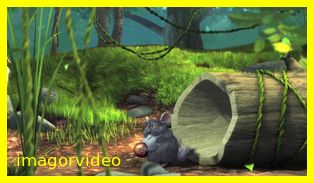
imagorvideo works by streaming out a limited number of frame data, looping through and calculating the histogram of each frame. It then choose the best frame for imaging, based on root-mean-square error (RMSE). This allow skipping the black frames that usually occur at the beginning of videos.
imagorvideo then converts the selected frame to RGB image data, forwards to the imagor libvips processor, which has always been best at image processing with tons of features. Check out imagor documentations for all the image options supported.
Filters
imagorvideo supports the following filters, which can be used in conjunction with imagor filters:
frame(n)specifying the time position, duration or frame index for imaging, which skips the default automatic selection:- Float between
0.0and1.0indices position of the video. Exampleframe(0.5),frame(1.0) - Time duration indices the elasped time since the start of video. Example
frame(5m1s),frame(200s) - Number starts from 1 indices frame index, example
frame(1),frame(10)
- Float between
max_frames(n)restrict the maximum number of frames allocated for image selection. The smaller the number, the faster the processing time.
Metadata
imagorvideo provides metadata endpoint that extracts video metadata, including dimension, duration and FPS data. It processes header only, without extracting the frame data for better processing speed.
To use the metadata endpoint, add /meta right after the URL signature hash before the image operations:
http://localhost:8000/unsafe/meta/https://test-videos.co.uk/vids/bigbuckbunny/mp4/h264/1080/Big_Buck_Bunny_1080_10s_30MB.mp4
{
  "format": "mp4",
  "content_type": "video/mp4",
  "orientation": 1,
  "duration": 10000,
  "width": 1920,
  "height": 1080,
  "title": "Big Buck Bunny, Sunflower version",
  "artist": "Blender Foundation 2008, Janus Bager Kristensen 2013",
  "fps": 30,
  "has_video": true,
  "has_audio": false
}
Configuration
Configuration options specific to imagorvideo. Please see imagor configuration for all existing options available.
  -ffmpeg-fallback-image string
        FFmpeg fallback image on processing error. Supports image path enabled by loaders or storages